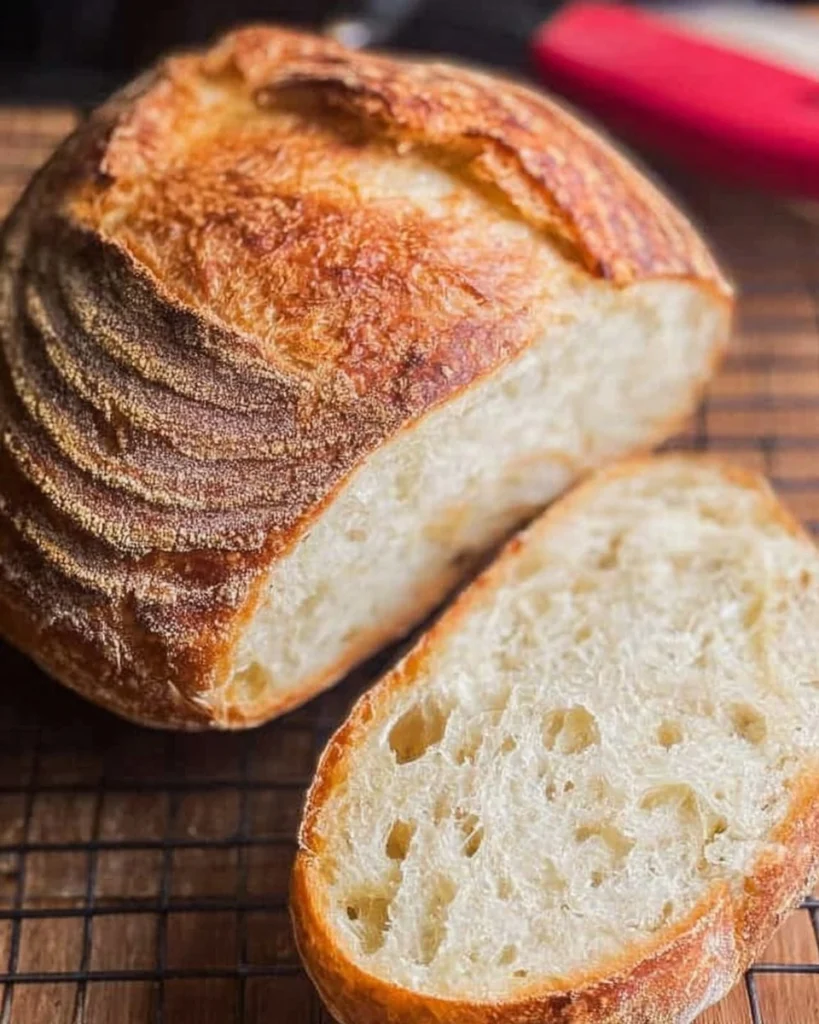
Hybrid sourdough bread is a delightful blend of traditional sourdough techniques and the speed of commercial yeast. This wonderful bread not only boasts a beautiful crust and chewy texture but also offers a tangy depth of flavor that can only come from a sourdough starter. If you’ve been wanting to try your hand at sourdough but are concerned about the time commitment or the intricacies of managing a starter, this recipe is perfect for you. It combines the best of both worlds, making homemade bread baking both accessible and rewarding.
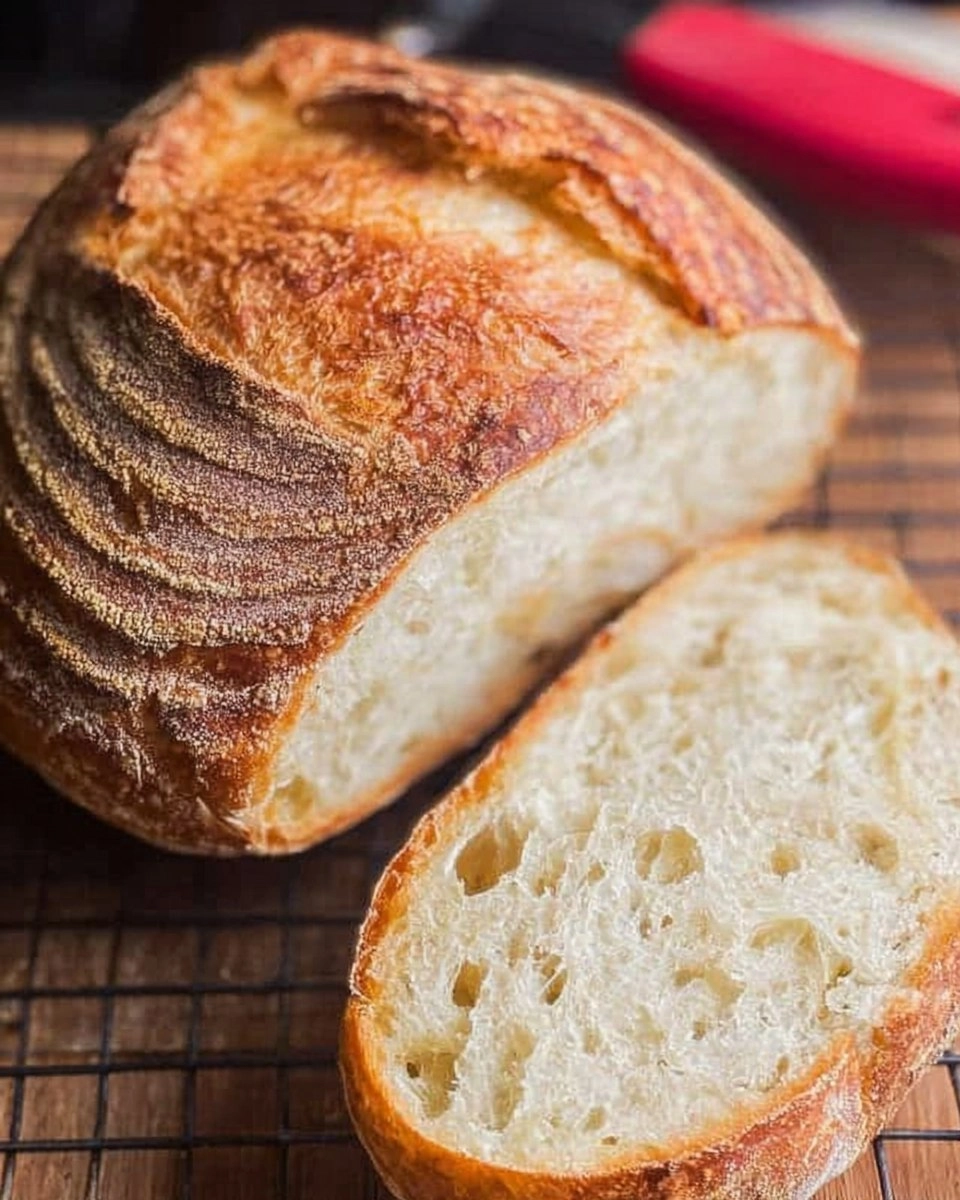
I remember the first time I pulled a loaf of hybrid sourdough bread from the oven; the aroma filled my kitchen like a warm hug, enticing my family to gather around for a taste. The contrast between the crusty exterior and the soft, airy crumb is nothing short of enchanting. Since then, I’ve made this bread countless times, each loaf bringing smiles to my loved ones and proving to me that baking at home can truly be a joyous experience. I wholeheartedly invite you to try this recipe—it’s simple and satisfying, perfect for any bread lover.
Why You’ll Love This Recipe
- Simple & Quick: From prep to bake, you can have fresh bread in just over three hours.
- Irresistible Flavor: The combination of sourdough starter and yeast creates a rich taste that lingers.
- Eye-Catching Appeal: With a golden crust and symmetrical rise, it’s as beautiful as it is delicious.
- Flexible Serving: Perfect for breakfast, sandwiches, or alongside soups and salads.
- Diet-Friendly Options: Easily adaptable for gluten-free by using the right flour mix.
Ingredients You’ll Need
- 400 g all-purpose flour or bread flour: This serves as the base for your dough, creating structure and chewiness. Bread flour usually gives a higher rise, but all-purpose works beautifully too.
- 280 g water (260g for the dough + 20g for the yeast): Hydration is key for a great bread. The water for yeast activation should be warm, while the rest can be at room temperature.
- 8 g active sourdough starter: This introduces the characteristic tang and flavor, helping the dough rise slowly. Ensure your starter is active and bubbly for the best results.
- 0.5 g dry yeast (about ⅛ teaspoon) or 1.5 g fresh yeast: This addition speeds up fermentation, resulting in a quicker rise to enjoy your bread sooner without compromising texture or taste.
How to Make Hybrid Sourdough Bread
- Mix the Base: In a large bowl, combine 260 g of water, your sourdough starter, and a pinch of salt. By mixing these first, you ensure the flavors and starter are evenly distributed. Add the flour and mix with a spoon until combined, then switch to your hands to work it into a sticky dough. Aim to shape it loosely into a ball—don’t worry if it’s a bit messy! Cover with a kitchen towel or plastic wrap and let it rest for 30 minutes. This process, known as autolyse, will help form gluten.
- Prepare the Yeast: For fresh yeast, mix it with the remaining 20 g of water and a pinch of sugar. Let it sit for about 10 minutes until it starts to foam, which indicates it’s activated. If using dry yeast, just mix it directly into the dough along with 20 g of water.
- Incorporate the Yeast: After the dough has rested, add your prepared yeast mixture. Squeeze and fold the dough to incorporate it until it’s a rough shape again. Cover and let it rest for another 30 minutes.
- Stretch and Fold: Start your first set of stretch and folds by grabbing one edge of the dough, stretching it up, and folding it over to the opposite side. Rotate the bowl and repeat this around all sides. Cover for 30 minutes to rest.
- Repeat Stretching: Do a second round of stretch and folds, allowing the dough to rest again. By now, it should feel smoother and hold its shape well, indicating good gluten development.
- Bulk Fermentation: Cover the dough tightly and allow it to ferment at room temperature. The total bulk fermentation time, including resting, should be around 3 hours, but cooler temps can increase it to 4 hours.
- Shape the Dough: Once bulk fermentation is complete, transfer the dough onto a floured surface. Shape it into a ball by folding the edges towards the center and letting it rest for 10-15 minutes.
- Final Shape: Gently stretch the dough into a rectangle and shape it into a boule by rolling it tightly, creating surface tension.
- Prepare for Proofing: Line a banneton basket with a kitchen towel and dust it with flour. Place your shaped dough inside with the seam side up, cover, and let it proof in the fridge overnight or up to 18 hours.
- Preheat and Score: Preheat your oven to 250°C (480°F) with a Dutch oven inside for 30-45 minutes. Carefully transfer your dough onto parchment paper, seam side down, and score with a sharp blade to allow for expansion during baking.
- Bake the Bread: Place the dough into the hot Dutch oven, cover with the lid, and bake for 20 minutes.
- Finish Baking: After 20 minutes, remove the lid and lower the temperature to 220°C (430°F). Bake for another 20-25 minutes until the crust is a beautiful golden brown. Remove the bread and let it cool on a rack completely before slicing to enjoy that delightful texture.
Storing & Reheating
Store your hybrid sourdough bread at room temperature wrapped in a kitchen towel for up to three days. To extend its life, you can refrigerate it in a paper bag for about a week, though this may alter the crust slightly. For long-term storage, freeze slices in a plastic bag for up to three months. Reheat in the oven at 350°F (175°C) for about 10 minutes to revive its crusty texture, though fresh is always best!
Chef’s Helpful Tips
- Avoid overworking the dough during shaping to maintain its airy structure.
- Let your sourdough starter bubble up and be active before using it to ensure it’s ready for fermentation.
- If your dough is too sticky, a little extra flour can help during shaping, but keep in mind it’ll mean a denser bread.
- Use a digital kitchen scale for precise measurements—it’ll dramatically improve your baking accuracy.
- Consider adding herbs or spices to the dough for an exciting flavor twist!
There’s something incredibly rewarding about slicing into a freshly baked loaf of bread, especially when it’s homemade. Whether you enjoy it plain or with butter and jam, or as part of a sandwich, each bite is a reminder of the power of baking. Don’t hesitate to experiment with different fillings or flours, and I wholeheartedly encourage you to make this recipe your own. Enjoy the aroma, the process, and of course, the wonderful taste!
Recipe FAQs
Can I use whole wheat flour instead of all-purpose flour?
Absolutely! You can substitute part or all of the all-purpose flour with whole wheat flour. However, keep in mind that whole wheat can absorb more water, so you might need to adjust the hydration slightly—adding a bit more liquid will help keep your dough manageable.
What if my dough doesn’t rise?
If your dough isn’t rising, it’s usually a sign that your yeast isn’t active enough. Ensure your sourdough starter is fresh and bubbly, and check that you’ve used the right water temperature when activating the yeast. Warmer kitchen temperatures can help with rising, so consider giving it more time in a warm spot.
Is it necessary to use a banneton basket?
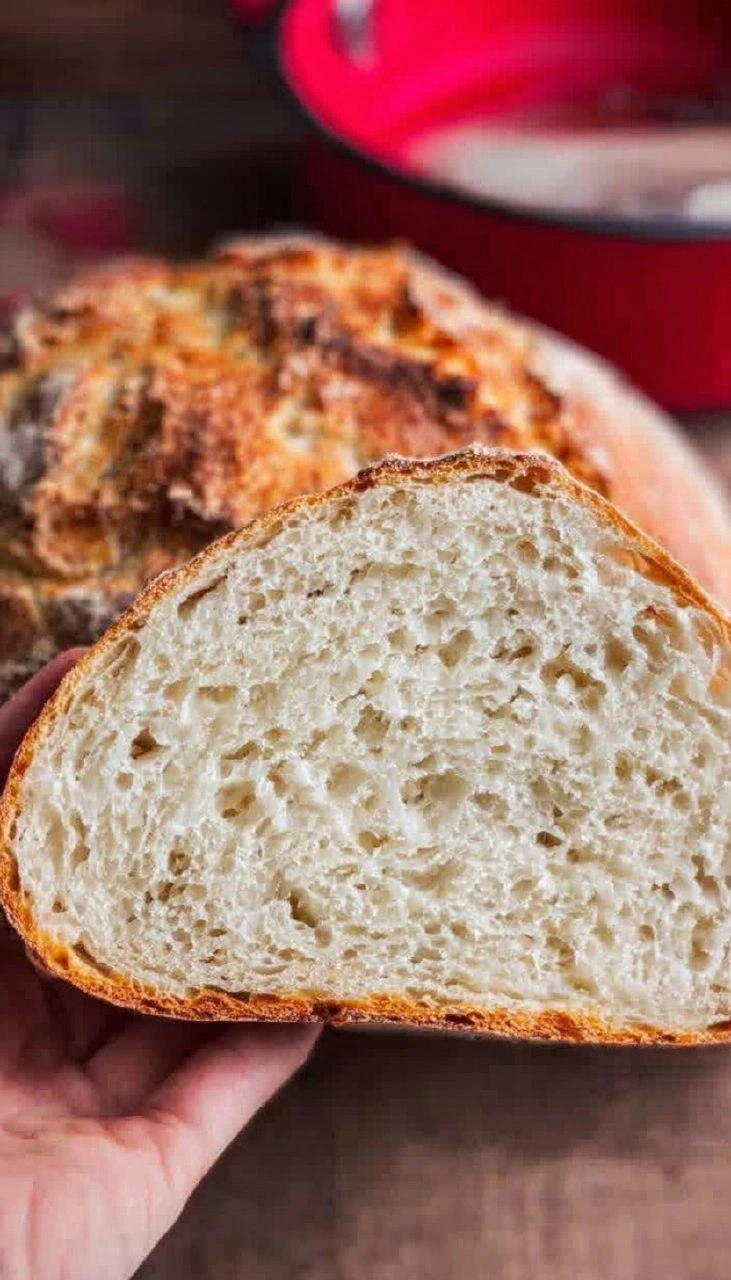
While a banneton basket helps maintain the shape of your dough and gives it a lovely spiral pattern, you can use any lightly floured bowl instead. Just remember to flour it well to prevent sticking during the final proof.
Why do I need to score the bread before baking?
Scoring your bread lets steam escape while it bakes, which prevents the crust from bursting unevenly. Plus, it gives a decorative touch to your loaves, showcasing your baking skills!
Print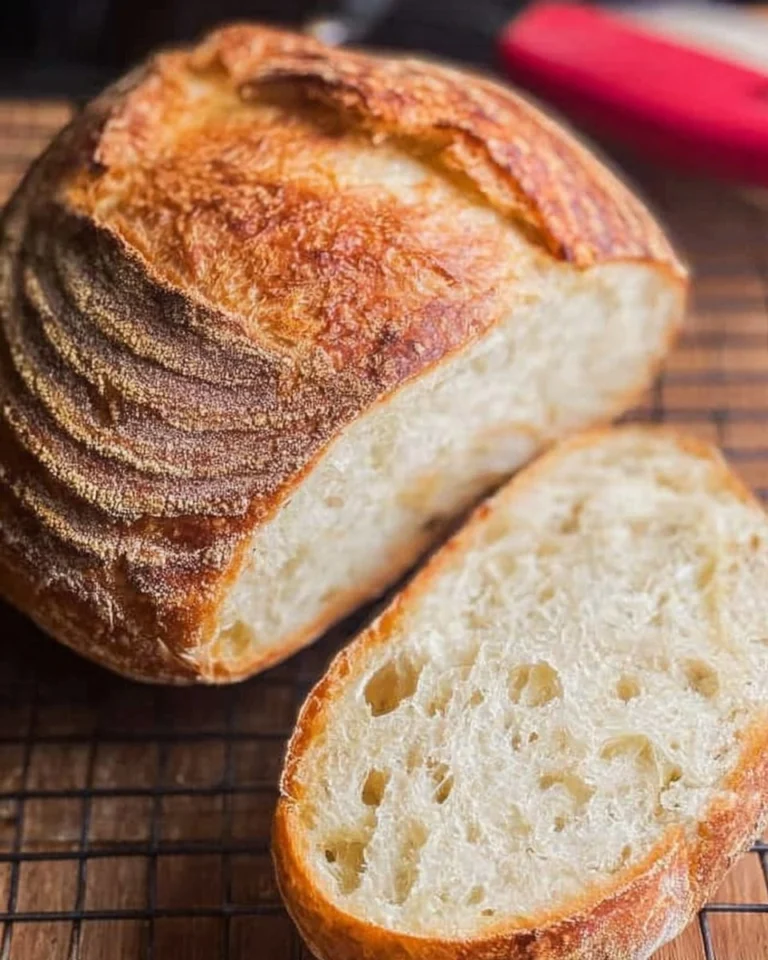
Hybrid Sourdough Bread
This Hybrid Sourdough Bread boasts an irresistible flavor with simple prep. Made with all-purpose flour, yeast, and sourdough starter, it’s perfect for homemade meals.
- Total Time: 22 hours 45 minutes
- Yield: 1 loaf 1x
Ingredients
- 400 g all-purpose flour or bread flour
- 280 g water (260g for the dough + 20g for the yeast)
- 8 g active sourdough starter
- 0.5 g dry yeast (about ⅛ teaspoon) or 1.5 g fresh yeast
Instructions
- In a large bowl, combine 260g of water, the sourdough starter, and salt. Mix well before adding flour, ensuring there are no dry patches.
- Mix in the flour until well incorporated. Use your hands to develop the gluten and shape the dough into a rough ball. Cover and rest for 30 minutes.
- Prepare the yeast. For fresh yeast, mix with 20g of water and ½ teaspoon sugar, waiting for 10 minutes until foamy. For dry yeast, simply measure it out and prepare 20g of water.
- After 30 minutes, add the prepared yeast to the dough and mix thoroughly with your hands, reshaping the dough into a ball. Cover and let rest again.
- After another 30 minutes, perform the first set of stretch and folds by grabbing one side of the dough, stretching it up, and folding it over. Rotate the bowl and repeat until all sides have been folded. Cover and rest 30 minutes.
- Repeat the stretch and folds once more for a total of two sets, allowing 30 minutes of rest in between, until the dough feels smoother.
- After the final stretch and fold, bulk ferment the dough at room temperature for about 3 hours, allowing for adjustments based on kitchen temperature.
- Turn the dough out onto a floured surface and gently shape it into a ball. Let it rest for 10-15 minutes.
- Gently stretch the dough into a rectangle and shape it into a boule, placing it seam-side up in a floured banneton basket. Cover and refrigerate overnight or up to 18 hours.
- Preheat your oven with a Dutch oven inside to 250°C (480°F) for 30-45 minutes. Turn the dough onto parchment paper, scoring the top with a knife.
- Transfer the dough to the hot Dutch oven, cover with the lid, and bake for 20 minutes. Remove the lid, lower the temperature to 220°C (430°F), and bake for an additional 20-25 minutes until golden brown. Let cool completely before slicing.
Last Step:
Please leave a rating and comment letting us know how you liked this recipe! This helps our business to thrive and continue providing free, high-quality recipes for you.Notes
For best results, ensure all ingredients are at room temperature before starting.
Experiment with different flours for unique flavors and textures.
An overnight proof enhances the flavor of the bread.
- Prep Time: 60 minutes
- Cook Time: 1305 minutes
- Category: Bread
- Method: Baking
- Cuisine: Homemade
Nutrition
- Serving Size: 1 slice
- Calories: 150
- Sugar: 0g
- Sodium: 200mg
- Fat: 2g
- Saturated Fat: 0g
- Unsaturated Fat: 0g
- Trans Fat: 0g
- Carbohydrates: 29g
- Fiber: 1g
- Protein: 5g
- Cholesterol: 0mg