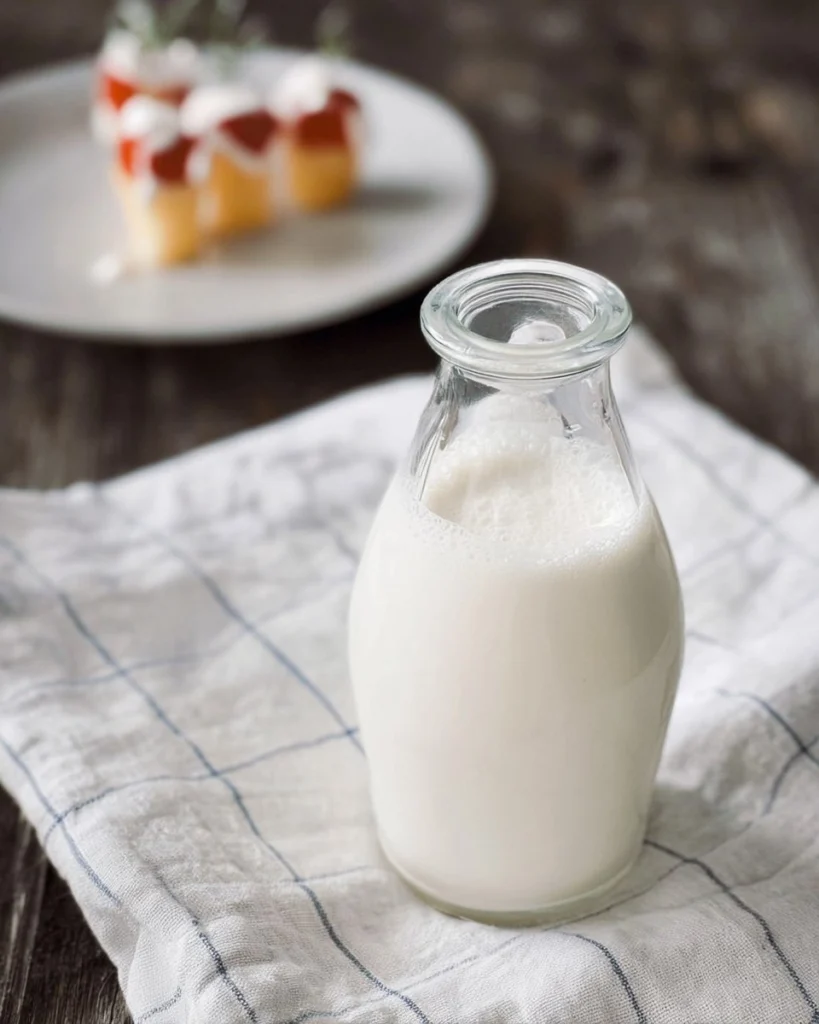
Buttermilk is more than just a tangy liquid; it’s a culinary secret hiding in plain sight. With its creamy texture and delightful acidity, buttermilk plays an essential role in countless recipes, from fluffy pancakes to heavenly biscuits. Its unique flavor enhances the richness of baked goods, pushing them into a territory of moistness and tenderness that is hard to imitate. When I first ventured into the world of homemade buttermilk, I was shocked by how easy it was to make and how it transformed my recipes into something truly special.
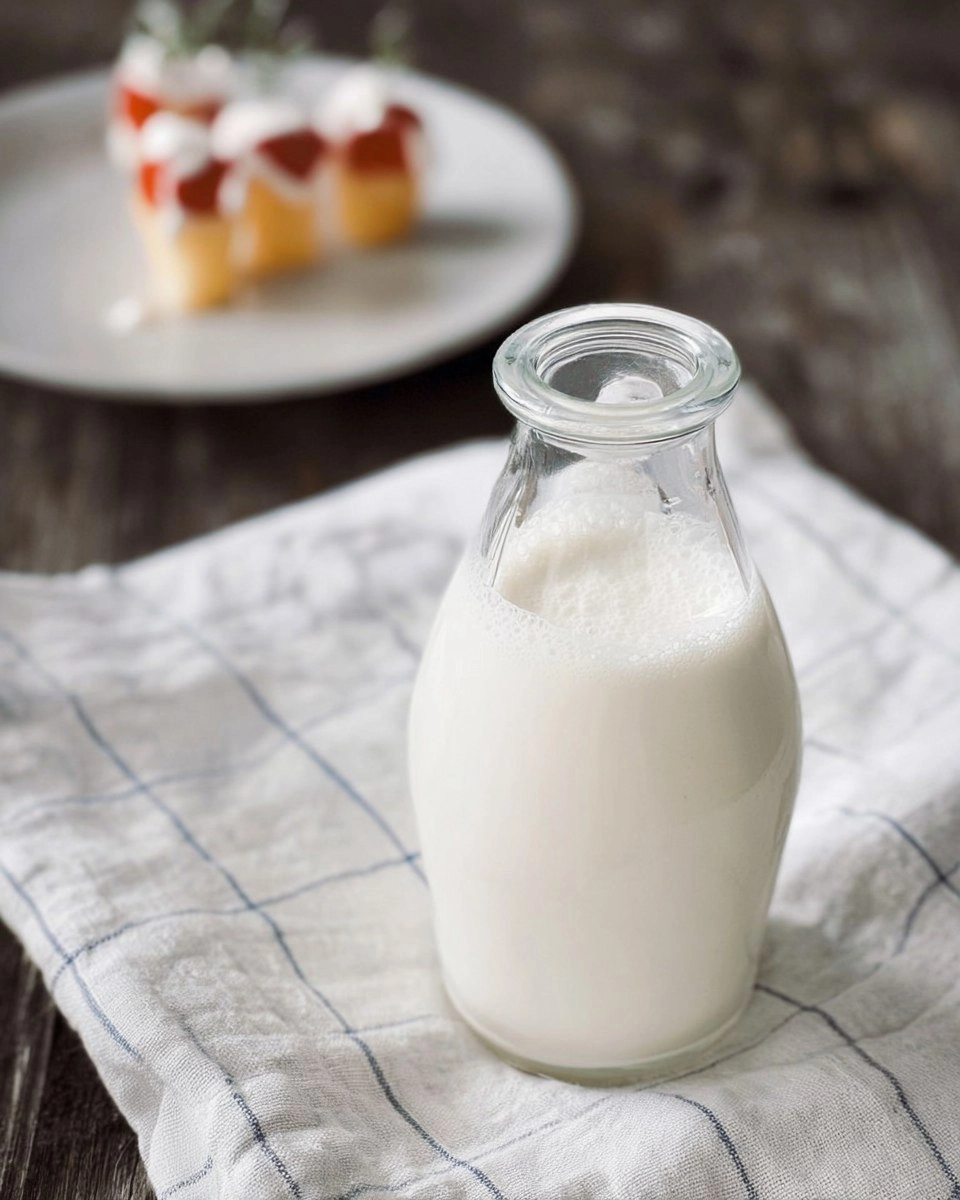
There’s something heartwarming about crafting your own buttermilk at home, especially when you realize that it requires just a couple of staple ingredients. Whether you’re a seasoned chef or a curious beginner, whipping up buttermilk is quick, budget-friendly, and will add an impressive twist to your cooking. Once you see how easy it is to elevate your dishes with this zesty ingredient, you’ll wonder how you ever lived without it. Let’s dive in and discover how to make buttermilk like a pro!
Why You’ll Love This Recipe
- Simple & Quick: You can whip up a batch of buttermilk in just 2 minutes!
- Irresistible Flavor: Its tanginess enhances the taste of baked goods, giving them that sought-after flavor!
- Versatile Use: Perfect for breakfast classics, savory dishes, and everything in between!
- Budget-Friendly: All you need are two household ingredients – no need to buy expensive store-bought options!
- Easy Substitutions: You can use lemon juice, vinegar, or even cream of tartar to achieve similar results!
Ingredients You’ll Need
- 1 cup whole milk (room temperature): Whole milk is ideal for creating a rich buttermilk texture. If you’re in a pinch, you can also use low-fat milk, though the results may vary slightly.
- 1 tablespoon lemon juice or white vinegar: This acid helps to curdle the milk, creating that signature tangy flavor. If you don’t have these on hand, 1½ teaspoons of cream of tartar will work effectively as another option.
How to Make Buttermilk
-
Combine the Ingredients: Pour 1 cup of room temperature whole milk into a glass container or small bowl. Add 1 tablespoon of lemon juice or white vinegar. Stir gently to combine the ingredients, ensuring that the acid is evenly distributed.
-
Let it Rest: Allow the mixture to sit at room temperature for 10 to 15 minutes. During this time, you’ll notice tiny curds forming, which is a sign that the milk is beginning to curdle, developing that delicious buttermilk character.
-
Stir Before Using: Once the resting period is over, gently stir the homemade buttermilk before using it in your recipe. This will ensure that the texture is consistent throughout.
-
Alternative Method: If you opt for cream of tartar, add 1½ teaspoons to a bowl or jar, then pour in half of the 1 cup of whole milk. Stir until the powder dissolves. Next, pour in the remaining milk and stir gently to combine. Let it sit for 10 to 15 minutes for it to thicken and develop that pleasant tang.
Storing & Reheating
To keep your homemade buttermilk fresh, store it in an airtight container in the refrigerator for a maximum of one week. If you find yourself with extra buttermilk, you can freeze it in ice cube trays. Once frozen, transfer the cubes to a resealable freezer bag for up to 3 months. When you want to use it again, simply thaw overnight in the fridge or let it sit at room temperature. However, keep in mind that freezing may alter the texture slightly, so a gentle whisking might be necessary to refresh it!
Chef’s Helpful Tips
- Avoid Curtailments: Always use room temperature milk for best results. Cold milk can hinder the curdling process and result in a less effective buttermilk.
- Experiment with Acids: If you’re out of lemon juice or vinegar, remember that cream of tartar is a perfect alternative and works seamlessly.
- No Sour Cream Substitute: If a recipe calls for sour cream, you can often replace it with buttermilk for a lighter and tangier option.
- Troubleshoot Texture: If you find your buttermilk is too thin, allow it to sit a little longer at room temperature. This extra time will help thicken it up.
Buttermilk isn’t just an ingredient; it’s a versatile powerhouse that enhances everything from baked goods to marinades. Getting familiar with making this delightful liquid can enhance your cooking repertoire significantly. Don’t hesitate to explore the multitude of ways buttermilk can energize your kitchen adventures. Enjoy experimenting with different recipes, and feel the triumphant joy of elevating your dishes with homemade goodness!
Recipe FAQs
Can I use buttermilk in place of regular milk in recipes?
Absolutely! Buttermilk can replace regular milk in most recipes. It provides a richer flavor and adds a slight tang, which can enhance baked goods and dressings. Just remember to adjust your leavening agents; you might need to reduce baking soda slightly, as buttermilk is acidic.
What if I don’t have any of the substitutes for buttermilk?
If you’re out of milk or acid, consider using plain yogurt or kefir as a substitute. They have a similar acidity and thickness, making them excellent stand-ins for buttermilk in most recipes!
Can buttermilk be used in savory dishes?
Definitely! Buttermilk adds a wonderful depth of flavor to marinades and even fried chicken batter. Its acidity helps tenderize meat, making it a perfect addition to savory recipes too.
How can I tell if my homemade buttermilk is still good to use?
Homemade buttermilk should have a pleasant tangy smell and a creamy texture. If it develops an off odor, or if you see mold, it’s best to discard it. Always trust your senses when it comes to food safety!
Print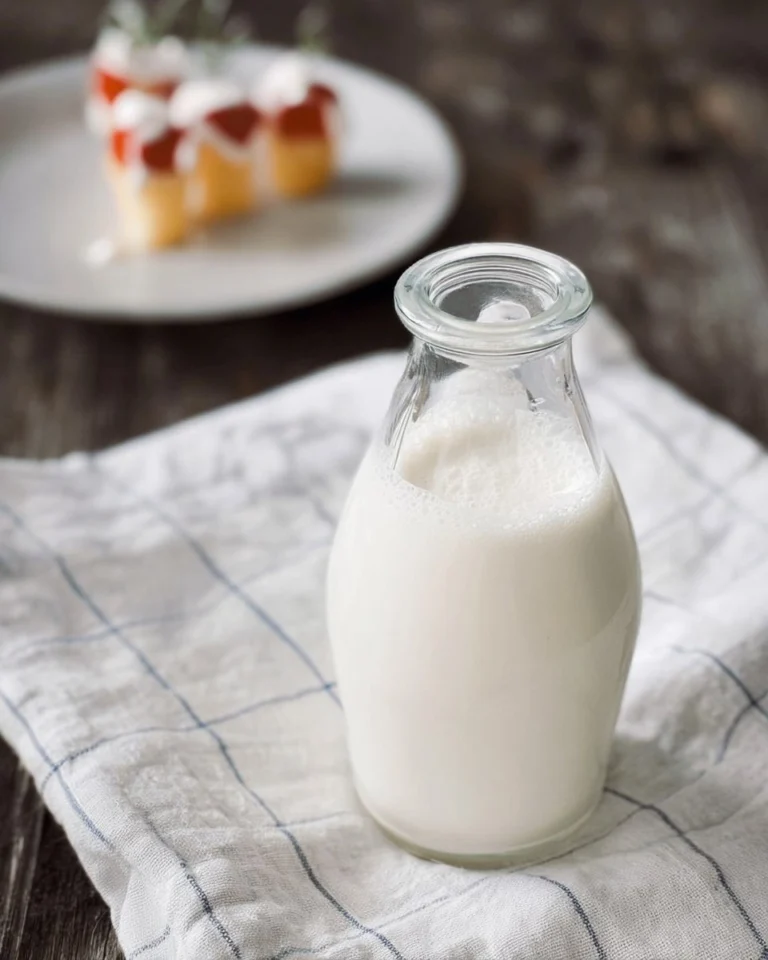
Buttermilk
This Buttermilk offers an irresistibly tangy flavor, with simple prep using just whole milk and lemon juice. It’s the ideal base for pancakes, dressings, and more!
- Total Time: 19 minutes
- Yield: N/A
Ingredients
- 1 cup whole milk room temperature
- 1 tablespoon lemon juice or white vinegar or 1½ teaspoons cream of tartar
Instructions
- Pour 1 cup of room temperature milk into a glass container or small bowl.
- Add 1 tablespoon of lemon juice or vinegar and stir gently to combine.
- Let the mixture sit at room temperature for 10–15 minutes until tiny curds form.
- Stir the homemade buttermilk gently before using in your recipe.
- Tip: Warm cold milk in the microwave for 20–30 seconds before adding acid to ensure proper curdling.
Last Step:
Please leave a rating and comment letting us know how you liked this recipe! This helps our business to thrive and continue providing free, high-quality recipes for you.Notes
Ensure your milk is at room temperature for the best results.
You can substitute lemon juice with white vinegar or cream of tartar.
- Prep Time: 2 minutes
- Cook Time: 17 minutes
- Category: Dairy
- Method: Mixing
- Cuisine: American
Nutrition
- Serving Size: 1 cup
- Calories: 150
- Sugar: 12g
- Sodium: 100mg
- Fat: 8g
- Saturated Fat: 5g
- Unsaturated Fat: 3g
- Trans Fat: 0g
- Carbohydrates: 12g
- Fiber: 0g
- Protein: 8g
- Cholesterol: 30mg